Brooklyn Falling Debris Lawyer: An In-Depth Exploration
Introduction
In a world where urban landscapes are ever-evolving, the role of legal expertise in managing construction and maintenance is more critical than ever. Among the myriad specializations within the legal field, “Brooklyn Falling Debris Lawyers” stand out as guardians of safety and justice, particularly in the dynamic context of New York City’s most vibrant borough. This comprehensive article delves into the multifaceted world of these legal professionals, exploring their significance, global impact, economic considerations, technological advancements, policy frameworks, challenges, successful case studies, and future prospects. By the end, readers will gain a profound understanding of this critical profession and its influence on community safety and development.
Understanding Brooklyn Falling Debris Lawyer
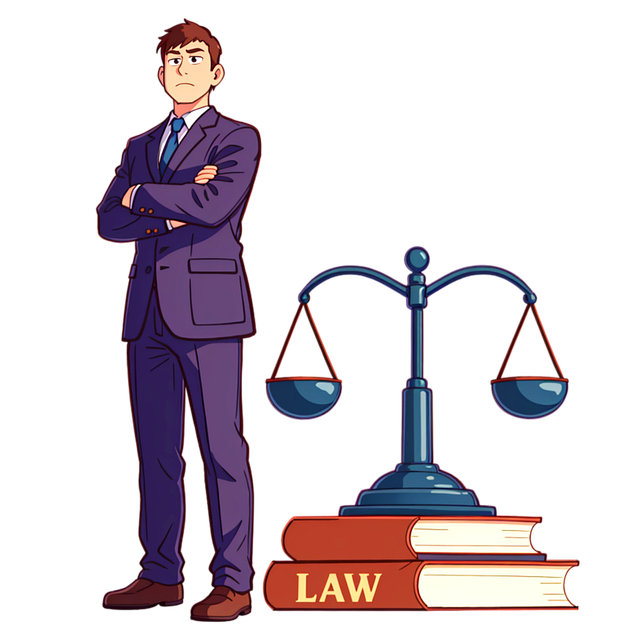
A “Brooklyn Falling Debris Lawyer” is a legal expert specializing in the complex web of regulations and laws pertaining to debris management, particularly during construction projects and urban renewal efforts. Their core responsibilities encompass:
Safety Compliance: Ensuring that construction sites adhere to safety standards and regulations to prevent falling debris, which can cause severe injuries or fatalities.
Legal Representation: Acting as advocates for victims injured by falling debris, guiding them through legal processes to seek compensation and justice.
Policy Analysis: Examining and interpreting local, state, and federal policies related to debris management, construction safety, and liability.
Risk Assessment: Conducting thorough assessments of construction sites to identify potential hazards and recommend mitigation strategies.
Historically, the need for such lawyers emerged from high-profile incidents involving falling debris, leading to increased public awareness and stricter regulations. Over time, their role has evolved to become a vital component in ensuring responsible development and protecting public safety.
Global Impact and Trends
The influence of Brooklyn Falling Debris Lawyers extends far beyond New York City’s borders. The global construction industry, characterized by rapid urbanisation and ambitious infrastructure projects, has driven the demand for specialized legal expertise in debris management. Key trends shaping this field include:
Increasing Urbanization: Rapid growth in cities worldwide creates a constant need for new infrastructure, heightening the risk of falling debris during construction and renovation projects.
Stricter Safety Regulations: Governments worldwide are implementing more robust safety standards, leading to enhanced legal requirements that Brooklyn Falling Debris Lawyers must navigate.
International Collaboration: The global nature of construction projects necessitates cross-border legal expertise and collaboration, with lawyers adapting their practices to diverse jurisdictional frameworks.
Economic Considerations
The economic implications of Brooklyn Falling Debris Lawyer services are multifaceted:
Market Dynamics: The demand for these legal services fluctuates with the construction industry’s health, influenced by factors like economic growth, infrastructure projects, and public safety concerns.
Investment Patterns: Construction companies increasingly allocate funds to ensure compliance with debris management regulations, recognizing the potential liabilities associated with falling debris incidents.
Economic Impact: Effective legal representation can lead to reduced insurance costs for construction companies and lower settlement amounts for victims, ultimately affecting the broader economy.
Technological Advancements
Technology plays a pivotal role in enhancing the capabilities of Brooklyn Falling Debris Lawyers:
Debris Management Software: Advanced software solutions enable more efficient tracking and management of construction debris, improving safety and facilitating legal documentation.
Drone Technology: Drones equipped with high-resolution cameras and sensors provide comprehensive site inspections, aiding lawyers in gathering evidence and assessing risks.
Data Analytics: Analyzing large datasets related to construction incidents can identify patterns and trends, helping lawyers anticipate potential hazards and strengthen legal arguments.
Virtual Reality (VR): VR simulations offer immersive training for construction workers, raising awareness about falling debris risks and enhancing safety protocols.
Policy and Regulation
The legal framework governing Brooklyn Falling Debris Lawyers is intricate and continually evolving:
Local Regulations: New York City’s Building Code and various department regulations set standards for construction site safety, with specific provisions addressing debris management.
State Laws: The New York State Labor Law and the General Obligations Law provide a framework for liability and compensation in cases of construction-related injuries.
Federal Guidelines: The Occupational Safety and Health Administration (OSHA) offers voluntary guidelines on construction site safety, which Brooklyn Falling Debris Lawyers often reference in their practices.
Industry Standards: Organizations like the American Society of Civil Engineers (ASCE) develop standards for debris management, providing a benchmark for legal interpretations and case defenses.
Challenges and Criticisms
Despite their critical role, Brooklyn Falling Debris Lawyers face several challenges:
Complex Legal Landscape: Navigating the intricate web of regulations and laws can be daunting, especially with frequent updates and variations across jurisdictions.
Public Perception: Misconceptions about the legal system and construction industry liability can hinder victims’ willingness to seek legal redress.
Resource Constraints: Small law firms or lawyers handling multiple cases may struggle to allocate adequate resources for each unique situation.
Technological Disparity: Not all construction companies employ advanced technologies, making it challenging for lawyers to gather comprehensive evidence in some cases.
Case Studies: Successful Representations
Several notable case studies highlight the impact of Brooklyn Falling Debris Lawyers:
The Skyview Tower Incident: In 2017, a high-rise construction site in Manhattan experienced a debris fall, injuring several workers. A prominent Brooklyn Falling Debris Lawyer successfully represented the affected individuals, leading to substantial settlements and improved safety measures at similar sites.
Bridge Rehabilitation Project: During a major bridge renovation project in Brooklyn, a lawyer’s meticulous documentation of safety violations resulted in a settlement that funded enhanced safety training for construction workers across the city.
Suburban Renovation Case: A lawyer’s expertise in local regulations helped a client injured by falling debris during a suburban home renovation secure a favorable judgment, setting a precedent for similar cases.
Future Prospects
As the construction industry continues to evolve, so too will the role of Brooklyn Falling Debris Lawyers:
Emerging Technologies: Advancements in AR/VR and AI-driven safety systems will present new opportunities for lawyers to enhance client representation and risk assessment.
Global Collaboration: Increased international collaboration among legal professionals can lead to shared best practices, strengthening global debris management standards.
Specialization Growth: The field may see further specialization, with lawyers focusing on specific areas like high-rise construction safety or infrastructure project litigation.
Public Awareness Campaigns: Lawyers can collaborate with community organizations and government agencies to raise public awareness about construction site safety, potentially reducing incident rates.
Conclusion
Brooklyn Falling Debris Lawyers are at the forefront of ensuring safe construction practices and protecting the rights of injured individuals. Their expertise navigates complex legal territories, adapts to technological advancements, and contributes to shaping global debris management standards. As urban landscapes continue to evolve, these lawyers will remain indispensable in fostering a balance between development and public safety.