
Brooklyn's vibrant ride-sharing culture presents unique challenges in Rideshare Safety Litigation due to high population density and traffic congestion. Increasing cases of driver negligence, vehicle maintenance issues, and platform liability drive the need for comprehensive insurance and improved safety protocols. Victims of bus and rideshare crashes have legal options, involving initial medical attention, evidence collection, and consultation with experienced attorneys specializing in Rideshare Safety Litigation. Compliance with local and federal safety guidelines can reduce liability and settlement amounts. Successful cases result in significant settlements, holding companies like Uber and Lyft accountable while fostering safer industry practices and community-wide improvements in passenger safety.
In Brooklyn, bus and rideshare accidents pose significant challenges for victims seeking justice and accountability. This article delves into the complex landscape of rideshare safety litigation in Brooklyn, exploring legal options available to crash victims, the role of safety regulations in settlement negotiations, common challenges, success stories, and the broader impact of settlements on enhancing future safety measures. Understanding these dynamics is crucial for both victims navigating the legal system and advocates seeking to improve rideshare safety.
- Understanding Brooklyn's Rideshare Accident Landscape
- Legal Options for Victims of Bus and Rideshare Crashes
- The Role of Safety Regulations in Settlement Negotiations
- Common Challenges and Success Stories in Rideshare Litigation
- Ensuring Accountability: The Impact of Settlements on Future Safety Measures
Understanding Brooklyn's Rideshare Accident Landscape
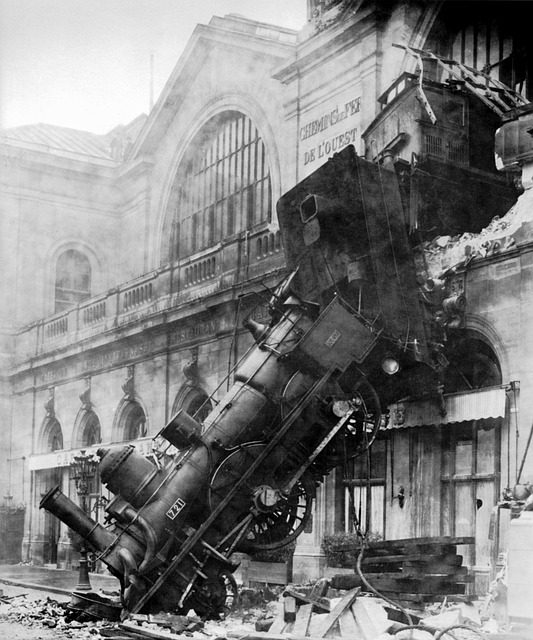
Brooklyn, with its bustling streets and vibrant ride-sharing culture, presents a unique landscape for rideshare accident litigation. The city’s dense population and heavy traffic contribute to an increased risk of collisions, making Rideshare Safety Litigation a significant aspect of personal injury cases. Many residents and visitors rely on services like Uber and Lyft, leading to a rise in accidents involving these vehicles.
Understanding the local regulations and safety measures is crucial for navigating this complex legal terrain. Brooklyn’s legal community has seen an uptick in cases focusing on driver negligence, vehicle maintenance, and platform liability. As the demand for ride-sharing continues to grow, so does the need for comprehensive insurance coverage and improved safety protocols to safeguard passengers and minimize accidents, fostering a safer Rideshare Safety Litigation environment.
Legal Options for Victims of Bus and Rideshare Crashes

When victims of bus and rideshare crashes in Brooklyn, or anywhere, suffer injuries due to negligence, they have legal options to explore. Rideshare safety litigation is a critical aspect for those impacted by such incidents. The first step is to seek medical attention and document all expenses related to treatment. Next, individuals can gather evidence, like police reports and witness statements, to strengthen their case. Consulting with an experienced attorney specializing in rideshare safety litigation is crucial to understanding the legal process and available compensation options, which may include damages for medical bills, lost wages, and pain and suffering.
Victims should remember that they have rights and are not solely responsible for the consequences of someone else’s negligence. An attorney can guide them through navigating complex laws and insurance policies to ensure they receive fair compensation for their injuries. This process is essential to help victims recover and rebuild their lives after a traumatic bus or rideshare crash.
The Role of Safety Regulations in Settlement Negotiations

In the context of bus accident settlements in Brooklyn, understanding the role of safety regulations is pivotal for determining settlement amounts and strategies. These regulations, designed to prevent future accidents, serve as a benchmark for liability assessment during litigation. Rideshare safety litigation often involves scrutinizing compliance with local and federal guidelines aimed at enhancing passenger security. Negligence claims are frequently evaluated based on these standards, influencing settlement negotiations significantly.
When negotiating settlements, attorneys consider the extent to which safety regulations were followed or breached. Compliance with rules regarding vehicle maintenance, driver training, and safety protocols can mitigate liability, potentially leading to lower settlements. Conversely, violations of these regulations can increase the likelihood of substantial damages, as they indicate negligence that may have contributed to the accident.
Common Challenges and Success Stories in Rideshare Litigation
In the realm of Rideshare Safety Litigation, one navigates a complex landscape filled with unique challenges. Common issues include identifying responsible parties, especially in cases where apps like Uber or Lyft are involved—determining whether the driver, the company, or both are liable for damages is crucial. Furthermore, gathering evidence can be labyrinthine; accessing records from these companies and proving negligence require meticulous attention to detail.
However, amidst these challenges, there are also success stories. Plaintiffs who have suffered injuries due to rideshare accidents have secured substantial settlements. These victories not only provide financial compensation for medical expenses and lost wages but also serve as a testament to the importance of holding these companies accountable for their operations. Such outcomes encourage stronger safety measures and prompt discussions about improving Rideshare Safety Litigation practices, ultimately fostering a safer environment for passengers.
Ensuring Accountability: The Impact of Settlements on Future Safety Measures
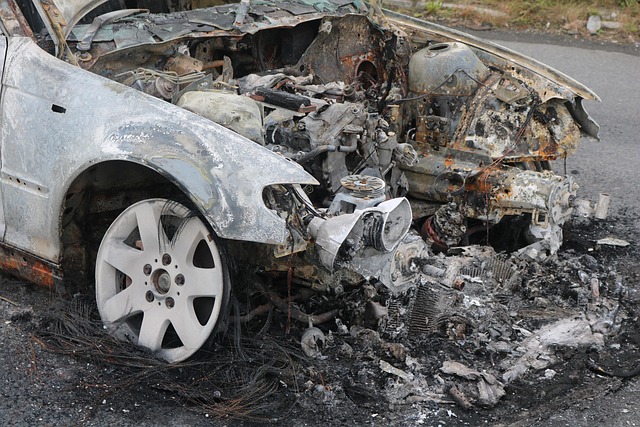
In the aftermath of bus accidents, settlements play a pivotal role in ensuring accountability and fostering improvement in safety measures. When individuals or entities are held responsible through litigation, it sends a clear message that reckless actions will not be tolerated. This encourages stricter adherence to regulations and promotes safer practices within the transportation industry.
Rideshare Safety Litigation, for instance, has brought much-needed attention to passenger safety protocols. As a result, many companies have implemented enhanced training programs, improved vehicle maintenance standards, and developed more robust emergency response systems. These settlements not only provide compensation to those affected but also serve as a catalyst for change, ultimately benefiting the broader community by preventing future incidents.
In conclusion, navigating Brooklyn’s complex landscape of bus and rideshare accidents involves understanding legal options, safety regulations, and their profound impact on future Rideshare Safety Litigation. By learning from common challenges and celebrating success stories, victims can ensure accountability and potentially enhance safety measures for all. These settlements play a crucial role in shaping the city’s commitment to preventing similar incidents, ultimately fostering a more secure environment for riders.