
In Manhattan, understanding cyclist right-of-way rules is crucial for both cyclists and motorists, promoting safety and fostering a welcoming cycling environment. Workplace safety violations in Queens span various industries, with common issues including inadequate PPE, improper hazardous material handling, and insufficient training. Disregard for cyclist right-of-way poses significant risks, highlighting the need for employers and employees to prioritize safety awareness beyond their workplaces, especially in urban areas like Manhattan. Violations can lead to severe physical and psychological consequences for employees and substantial financial burdens for businesses. Preventing workplace hazards requires a collaborative effort between employers and employees through regular inspections, risk mitigation, proper training, open communication, and vigilance regarding specific risks like cyclist rights of way in Manhattan.
In New York City, ensuring workplace safety is paramount, especially in diverse areas like Queens. This article delves into common safety violations specific to Queens, shedding light on their impact on employees and businesses. We explore critical aspects such as understanding cyclist right-of-way rules in Manhattan—a bustling metropolis with a vibrant cycling culture. By addressing these issues, we aim to equip employers and workers with knowledge to prevent hazards, fostering a safer work environment.
- Understanding Cyclist Right of Way Rules in Manhattan
- Common Workplace Safety Violations in Queens
- The Impact of Safety Violations on Employees and Businesses
- Preventing Workplace Hazards: A Guide for Employers and Workers
Understanding Cyclist Right of Way Rules in Manhattan

In Manhattan, understanding cyclist right of way rules is paramount for both cyclists and motorists alike. Cyclists have the same rights and responsibilities as drivers on the road, which means they must adhere to traffic signals, stop signs, and yield to others when necessary. However, they also have specific advantages, such as being able to use bike lanes and paths, which can offer added protection from vehicular traffic.
When it comes to interactions at intersections, motorists should be extra vigilant. Cyclists often approach from the side or use bike signals to indicate their intentions. It’s crucial for drivers to yield the right of way to cyclists when they are approaching or crossing a street within a marked or unmarked intersection. Remembering these rules not only ensures safety but also contributes to a harmonious and inclusive cycling environment in Manhattan.
Common Workplace Safety Violations in Queens

In Queens, workplace safety violations can manifest in various forms, impacting employees across different industries. Common infractions include failure to provide adequate personal protective equipment (PPE), improper handling and storage of hazardous materials, and lack of training on safety protocols. These issues often stem from businesses cutting corners on safety measures to reduce costs or prioritize productivity over worker well-being.
One notable concern is the disregard for cyclist right-of-way in Manhattan, which has become a significant safety hazard. Cyclists navigating dense city traffic face risks when employees outside their places of work fail to yield the right-of-way, leading to potential collisions and injuries. This issue underscores the need for both employers and workers to prioritize safety awareness beyond their facilities, considering the broader impact on public safety, especially in urban areas like Manhattan.
The Impact of Safety Violations on Employees and Businesses
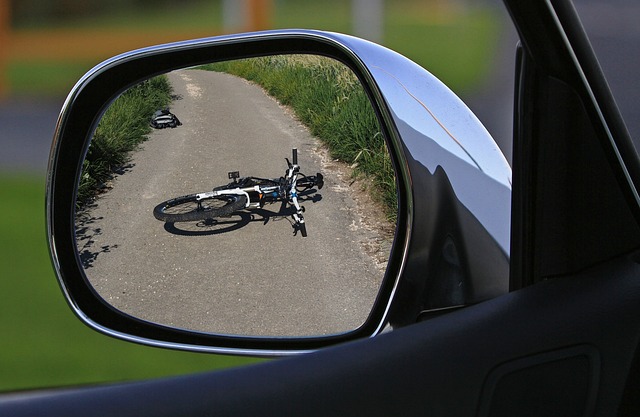
Workplace safety violations can have profound effects on both employees and businesses, creating a ripple effect that extends far beyond the immediate incident. For workers, these violations often result in physical injuries, ranging from minor wounds to severe disabilities, which can impact their quality of life and ability to work. Beyond physical harm, employees may also experience psychological trauma, leading to stress, anxiety, and even post-traumatic stress disorder (PTSD). This mental health impact can significantly affect productivity and overall well-being at the workplace.
For businesses, safety violations come with substantial financial costs. Fines imposed by regulatory bodies are just the beginning; there are also expenses related to medical treatments, workers’ compensation claims, legal fees, and potential loss of reputation. Moreover, the cost of retraining or replacing staff due to injuries caused by violations can be immense. In fact, these repercussions can lead to a cycle of increased operational costs and decreased productivity, hindering businesses from thriving, especially small enterprises in competitive markets like Manhattan, where cyclist right of way regulations are strictly enforced.
Preventing Workplace Hazards: A Guide for Employers and Workers
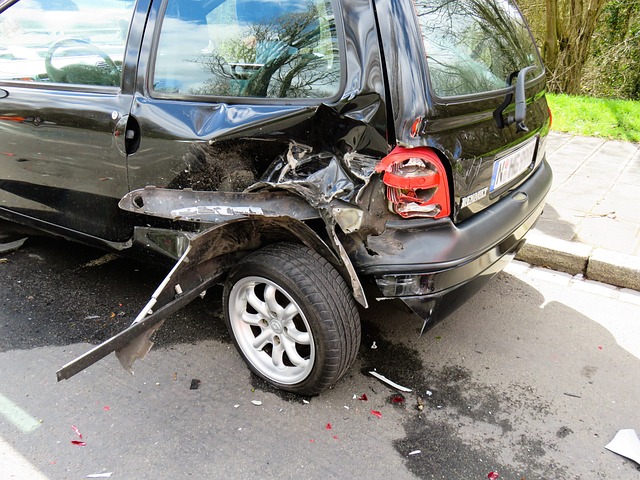
Preventing workplace hazards is a shared responsibility between employers and employees, especially in diverse environments like Queens, New York. Employers must conduct regular safety inspections to identify potential risks and implement robust risk mitigation strategies. This includes ensuring proper training for all staff, providing necessary personal protective equipment (PPE), and maintaining a clean, organized workspace. Educating workers about common hazards specific to their roles is essential; for instance, cyclists in Manhattan must be aware of their right of way and how to navigate busy city streets safely.
Workers also play a crucial role in preventing accidents by adhering to safety protocols, reporting any unsafe conditions promptly, and staying vigilant. Regular communication between management and staff regarding safety concerns can help foster a culture of proactive hazard prevention, ultimately reducing the risk of workplace injuries or violations.
In conclusion, navigating workplace safety violations in Queens requires a comprehensive understanding of local regulations, especially regarding cyclist right of way rules in Manhattan. By recognizing common violations and their impact on employees and businesses, employers can implement effective prevention strategies to foster a safer work environment. Adhering to these guidelines not only complies with legal obligations but also contributes to a positive, thriving business culture.