
Birth asphyxia lawsuits in New York City (NYC) have brought attention to rideshare safety, with legal experts examining protocols and liability. These cases aim to determine if rideshare companies fulfill their duty of care and seek compensation for injured infants and their families. By analyzing specific NYC cases, experts identify gaps in healthcare practices, advocating for improvements to prevent similar tragedies. Navigating complex legal frameworks is crucial, as establishing causation between ride-sharing and harm poses challenges. In response, rideshare companies implement enhanced safety measures, including improved screening, inspections, and educational programs, to ensure safer journeys.
Rideshare Safety Litigation: Navigating Legal Complexities and Ensuring Passenger Protection. This comprehensive guide delves into the critical issue of rideshare safety, focusing on a specific area of concern: birth asphyxia lawsuits in New York City (NYC). We explore legal frameworks, challenges, and potential solutions, providing an in-depth overview for both legal professionals and general readers. Understanding these cases is crucial to enhancing passenger and driver safety, especially considering the growing rideshare industry. Key topics include specific NYC lawsuits, prevention strategies, and ongoing efforts to safeguard travelers.
- Understanding Rideshare Safety Litigation: A Comprehensive Overview
- Birth Asphyxia Lawsuits NYC: A Focus on Specific Cases and Implications
- Legal Framework and Challenges in Rideshare Safety Claims
- Prevention and Safety Measures: Reducing Risks for Passengers and Drivers
Understanding Rideshare Safety Litigation: A Comprehensive Overview

Rideshare Safety Litigation, specifically focusing on birth asphyxia lawsuits in NYC, has gained significant attention due to the increasing number of claims alleging negligence by rideshare companies and their drivers. These legal actions are comprehensive overviews of safety protocols, liability, and the potential failure of these platforms to ensure passenger security, especially during critical moments like childbirth.
In New York City, where birth asphyxia lawsuits have been prominent, lawyers and legal experts scrutinize every detail—from driver training and emergency response procedures to vehicle conditions and medical assistance availability. The goal is to understand if the rideshare companies have met their duty of care and to hold them accountable for any shortcomings that lead to adverse outcomes. This litigation not only seeks compensation for victims but also pushes for improved safety standards across the industry.
Birth Asphyxia Lawsuits NYC: A Focus on Specific Cases and Implications
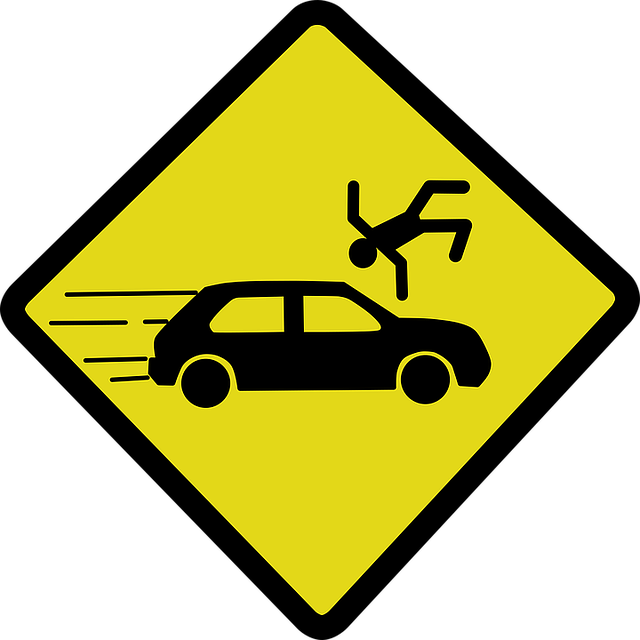
In recent years, Birth Asphyxia Lawsuits NYC have gained significant attention due to a growing number of families seeking justice and compensation for their children’s injuries caused during birth. These lawsuits highlight critical issues related to medical negligence and the potential consequences when proper care is not provided during childbirth. Specific cases in New York City have brought to light the challenges faced by parents who believe their babies could have been spared severe disabilities had healthcare providers acted swiftly and competently.
The implications of these Birth Asphyxia Lawsuits NYC extend far beyond monetary settlements. They serve as a powerful reminder of the importance of continuous training, updated protocols, and robust safety measures in healthcare facilities. By scrutinizing specific cases, legal experts, medical professionals, and policymakers can identify gaps in current practices, leading to system-wide improvements aimed at preventing similar tragic outcomes for future newborns.
Legal Framework and Challenges in Rideshare Safety Claims

In the context of rideshare safety litigation, navigating legal frameworks presents unique challenges for victims seeking justice in cases like birth asphyxia lawsuits in NYC. These claims often involve complex issues related to liability, negligence, and causation. Ridesharing companies typically operate under a framework that differs from traditional taxi services, introducing regulatory hurdles and insurance considerations that can complicate legal proceedings.
New York City, with its vibrant rideshare industry, has witnessed an increase in birth asphyxia lawsuits, where families pursue justice for injuries or deaths allegedly caused by driver negligence or unsafe operating practices. The legal challenges include establishing a direct causal link between the ride-sharing experience and the harm suffered, particularly when medical evidence is crucial. Additionally, understanding the interplay between state laws, local regulations, and the terms of service set by rideshare companies is essential for building a solid case.
Prevention and Safety Measures: Reducing Risks for Passengers and Drivers
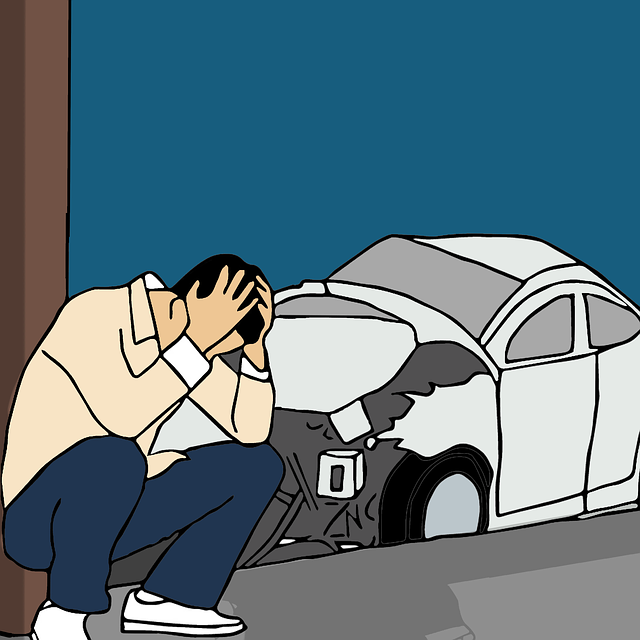
In the realm of rideshare safety, preventing accidents and ensuring secure journeys is paramount. Rideshare companies in cities like New York City (NYC) are implementing robust safety measures to reduce risks for both passengers and drivers, addressing concerns that have led to high-profile Birth Asphyxia Lawsuits NYC. These measures include enhanced driver screening processes, rigorous vehicle inspections, and advanced technology integration. For instance, many rideshare apps now offer real-time tracking of trips, allowing passengers to share their journey details with loved ones and giving drivers an additional layer of accountability.
Additionally, companies are prioritizing safety education for both drivers and passengers. This includes informative sessions on road safety, hazard recognition, and emergency response protocols. By empowering individuals with knowledge, these initiatives aim to mitigate potential risks. Furthermore, the integration of safety features like seatbelt reminders, speed limit alerts, and automatic collision notifications is becoming commonplace, empowering riders to take proactive steps towards their security.
Rideshare safety litigation, as highlighted by high-profile cases like Birth Asphyxia Lawsuits in NYC, underscores the complex interplay between technology, regulation, and public safety. As the legal framework continues to evolve, it’s crucial for both companies and passengers to stay informed about their rights and responsibilities. By implementing robust prevention measures and safety protocols, rideshare services can help reduce risks for everyone involved, ensuring a safer future on the roads.