
Commercial truck accidents involve intricate lawsuits where drivers, trucking companies, manufacturers, and maintenance providers face legal repercussions. Key factors like driver fatigue, unsafe practices, mechanical failures, and cargo issues drive these lawsuits aimed at holding responsible parties accountable for safety breaches. After an accident, immediate safety and evidence collection are crucial. Consulting a specialized attorney in Commercial Truck Accident Lawsuits is essential to understand rights, review evidence, and determine liability through processes like filing complaints, discovery, depositions, negotiations, and potential trials, ultimately seeking justice and compensation for victims.
Commercial truck accidents can have devastating consequences, leading many victims to seek justice and compensation through lawsuits. Understanding these complex legal proceedings is crucial for those involved. This article delves into the intricacies of commercial truck accident lawsuits, exploring key players, common causes, and the legal process. By understanding your rights and responsibilities, you can maximize compensation and navigate this challenging landscape effectively.
- Understanding Commercial Truck Accident Lawsuits: Key Players and Responsibilities
- Common Causes of Commercial Truck Accidents
- The Legal Process for Filing a Lawsuit Following a Trucking Incident
- Maximizing Compensation in Commercial Truck Accident Cases
Understanding Commercial Truck Accident Lawsuits: Key Players and Responsibilities
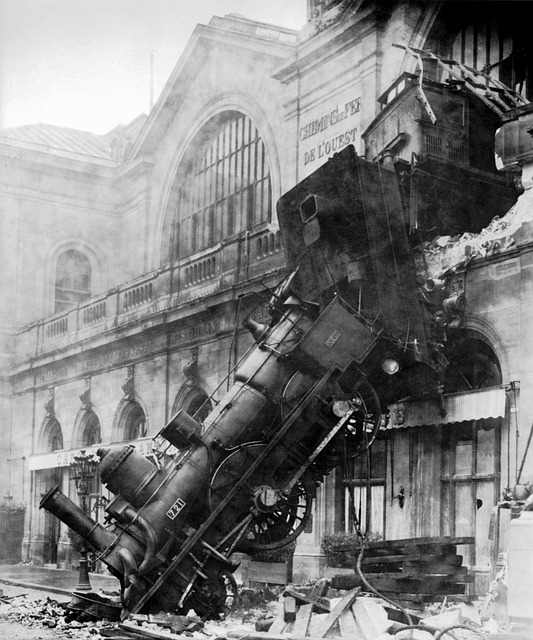
When a commercial truck is involved in an accident, it can lead to significant legal implications and often results in complex Commercial Truck Accident Lawsuits. These lawsuits involve multiple key players with distinct responsibilities, each having potential claims or defenses. The primary parties include the driver, the trucking company, and sometimes other entities like manufacturers or maintenance service providers.
Drivers bear the immediate responsibility of operating the vehicle safely, while trucking companies are held accountable for hiring qualified drivers, maintaining their vehicles, and ensuring proper training. In some cases, product liability may come into play if a defect in the truck’s design or manufacturing contributes to the accident. Understanding these roles is crucial as it dictates who can file a lawsuit, against whom, and for what damages.
Common Causes of Commercial Truck Accidents

Commercial truck accidents can result from a variety of factors, each with its own implications for lawsuits. Common causes include driver fatigue, where long hours and insufficient rest contribute to decreased alertness and slower reaction times—a significant concern given the size and weight of commercial vehicles. Another leading cause is unsafe driving practices, such as speeding, abrupt maneuvers, or failure to yield, which can lead to collisions with smaller vehicles or pedestrians.
Mechanical failures also play a substantial role in these accidents. Outdated or poorly maintained trucks, including issues with brakes, tires, and steering systems, pose serious risks on the road. Furthermore, cargo insecurity or improper loading practices can cause shifting loads, leading to loss of control and crashes. These causes underscore the need for strict adherence to safety regulations and the importance of Commercial Truck Accident Lawsuits in holding responsible parties accountable for preventing future incidents.
The Legal Process for Filing a Lawsuit Following a Trucking Incident

After a commercial truck accident, the legal process for filing a lawsuit involves several crucial steps. The first step is to ensure immediate safety and seek medical attention if necessary. Once safe, document the incident by taking photos of the scene, gathering contact information from witnesses, and collecting evidence related to the accident, such as vehicle damage or logs from the truck driver’s electronic logging device (ELD).
Next, it’s essential to consult with a qualified attorney specializing in Commercial Truck Accident Lawsuits. They will help you understand your legal rights, review the evidence, and determine liability. Your lawyer will file a complaint with the appropriate court, officially initiating the lawsuit. From there, the process includes exchanging discovery information, depositions, potential settlement negotiations, and ultimately, a trial or alternative dispute resolution if needed.
Maximizing Compensation in Commercial Truck Accident Cases

In the event of a commercial truck accident, victims often seek justice and compensation through lawsuits. Maximizing compensation in these cases involves a strategic approach to ensure fair and adequate reimbursement for damages. The complexity of such accidents necessitates a thorough investigation to establish liability, which typically rests with the trucking company or the driver. Evidence gathering is crucial; this includes reviewing logs, maintenance records, and witness statements to prove negligence and the extent of injuries sustained.
Victims may be entitled to various forms of compensation, including medical expenses, lost wages, pain and suffering, and property damage. Engaging experienced legal counsel specializing in Commercial Truck Accident Lawsuits is vital to navigate the intricate regulations and ensure all potential avenues for recovery are explored. These attorneys can help build a compelling case, negotiate with insurance companies, and represent the victim’s interests in court if necessary.
Commercial truck accidents can have severe consequences, and understanding the legal process behind lawsuits is vital for victims seeking justice. By recognizing the key players involved, common causes of these accidents, and the steps to file a claim, individuals affected can navigate the system effectively. Maximizing compensation in such cases requires a thorough understanding of one’s rights and responsibilities, ensuring that all factors contributing to the incident are considered. With the right approach, Commercial Truck Accident Lawsuits can lead to fair resolutions, providing much-needed support for those impacted by these incidents.