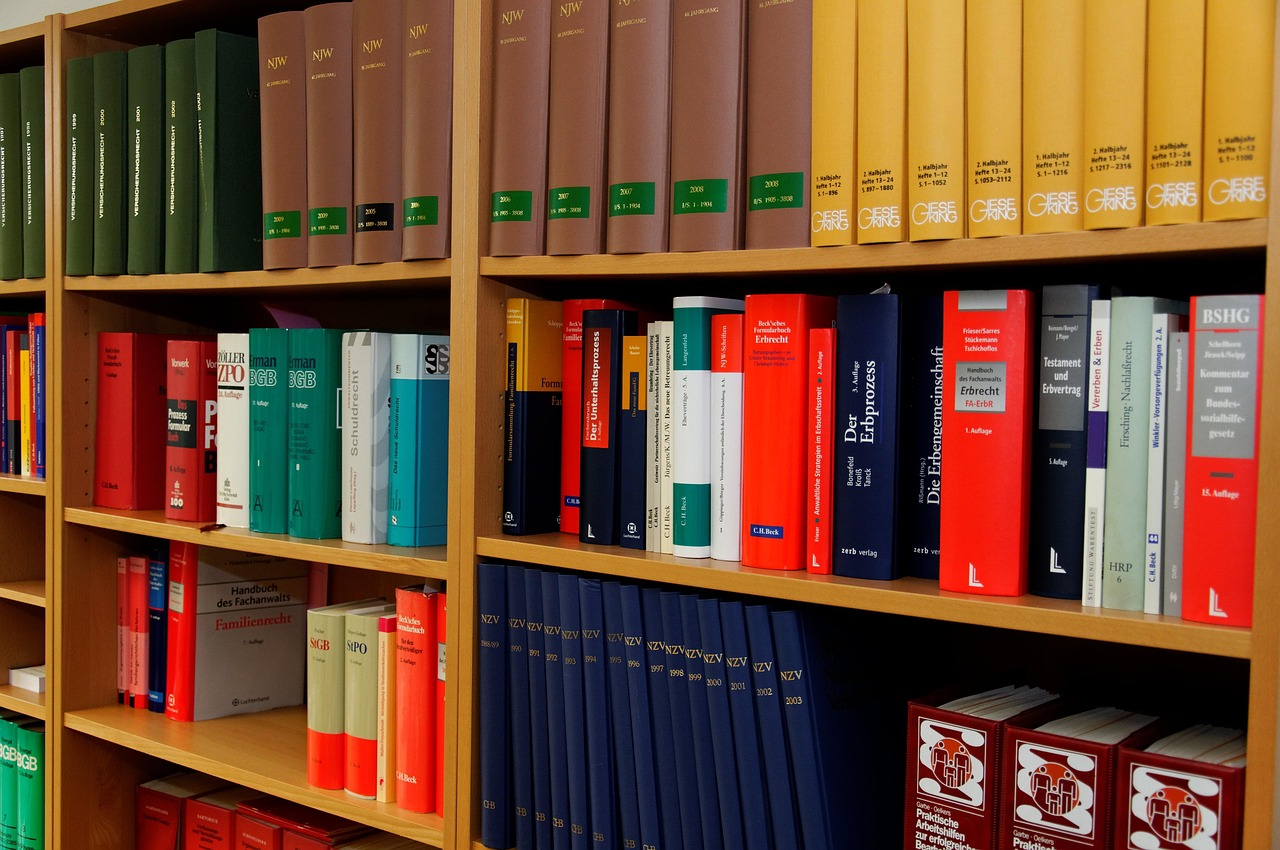
In the intricate world of civil law, a Bronx Civil Litigation Attorney plays a pivotal role in representing clients and advocating for their rights. This article delves into the art of negotiation, a critical aspect of civil litigation in the Bronx, and explores the expertise required to navigate complex legal matters. By understanding the process and the importance of skilled representation, individuals seeking justice can make informed decisions when hiring legal counsel.
Unraveling Civil Litigation in the Bronx
What is Civil Litigation?
Civil litigation refers to legal disputes between individuals, businesses, or organizations that are resolved through the court system. Unlike criminal cases, civil cases involve private parties seeking compensation, damages, or specific performance rather than punishment. In the Bronx, civil litigation covers a wide range of issues, from personal injuries and property disputes to contract disagreements and employment claims.
Why Choose a Bronx Civil Litigation Attorney?
When faced with a civil dispute, engaging an experienced Bronx Civil Litigation Attorney is essential for several reasons:
-
Expertise in Local Law: Bronx attorneys are well-versed in the unique legal landscape of the area, ensuring your case complies with local statutes and regulations.
-
Strategic Negotiation: Skilled attorneys possess the art of negotiation, a vital skill to resolve disputes outside of court, potentially saving time and costs.
-
Complex Case Management: For intricate cases, these attorneys have the knowledge and resources to handle diverse legal issues, making them ideal for complex scenarios.
The Art of Negotiation: A Crucial Skill in Civil Law
Negotiation is a fundamental aspect of civil litigation, offering numerous benefits to clients. Here’s an in-depth look at this process and its significance:
Understanding the Negotiation Process
What is Negotiation?
Negotiation is a collaborative process where parties in conflict exchange proposals, arguments, and counter-proposals to reach a mutually acceptable agreement. In the context of civil litigation, it’s a way to resolve disputes without going to trial.
Steps in Negotiation:
-
Identifying Interests: Attorneys for both sides analyze the underlying interests of their clients, which may differ from the stated demands.
-
Information Gathering: Gathering relevant facts, evidence, and legal options is vital. This step informs the negotiation strategy.
-
Exchange of Proposals: Each party presents their initial proposals, which may include settlement offers or demands.
-
Counter-Negotiation: The process involves back-and-forth discussions, where each side tries to reach a compromise.
-
Final Agreement: When an acceptable agreement is reached, it is documented and signed by all parties.
Benefits of Negotiation in Civil Law
-
Cost-Effective: Negotiation can avoid the expenses and delays associated with lengthy trials.
-
Control over Outcome: Parties have more control over the outcome, allowing for more creative solutions.
-
Preservation of Relationships: In cases involving ongoing business or personal relationships, negotiation can help maintain them.
-
Confidentiality: Negotiations often provide a more private and confidential environment than a public trial.
Choosing the Right Bronx Civil Litigation Attorney
When seeking legal representation, selecting the best Bronx Civil Litigation Attorney is crucial. Here’s a guide to help you make an informed decision:
Experience and Expertise
-
Track Record: Look for attorneys with a proven track record of successfully handling cases similar to yours.
-
Area of Specialization: Ensure the attorney has experience in the specific area of civil law relevant to your case.
-
Reputation: Research their reputation and client testimonials to gauge their professionalism and effectiveness.
Communication and Client Relationship
-
Communication Style: Choose an attorney who communicates clearly and effectively, ensuring you understand the case proceedings.
-
Availability: Consider the attorney’s availability and responsiveness, as regular updates are vital during legal processes.
-
Client Focus: Select a lawyer who prioritizes your goals and demonstrates a genuine interest in your case.
Legal Knowledge and Resources
-
Legal Expertise: Verify their knowledge of Bronx civil law, court procedures, and applicable statutes.
-
Case Management: Assess their ability to manage complex cases, including their use of technology and resources.
-
Professional Associations: Check if they are members of relevant legal organizations, which can indicate commitment to professional development.
Complex Cases: When Expertise Matters Most
Bronx Civil Litigation Attorneys handle a diverse range of cases, some of which are inherently complex. Here’s what sets the best attorneys apart:
Managing Diverse Legal Issues
-
Multidisciplinary Expertise: Complex cases often involve multiple legal disciplines. Attorneys with diverse skill sets can navigate these complexities.
-
Research and Analysis: In-depth legal research and analysis are crucial to building a solid case strategy.
-
Expert Testimony: For specialized areas, expert witnesses are essential. Attorneys should have experience managing expert testimony.
Utilizing Advanced Negotiation Techniques
-
Mediation and Arbitration: Skilled attorneys may employ alternative dispute resolution methods, offering efficient and cost-effective solutions.
-
Strategic Alliances: Building alliances with other legal professionals can provide additional expertise and resources.
-
Creative Problem-Solving: Complex cases demand creative thinking. Attorneys should have a history of innovative negotiation strategies.
What Happens During Civil Litigation Proceedings?
Civil litigation is a structured process with several stages. Understanding these proceedings is essential for clients and their attorneys:
Initial Consultation and Case Evaluation
-
This is the first meeting where the attorney reviews the case, discusses goals, and provides an initial assessment.
-
Clients share relevant information, and the attorney advises on the best course of action.
Investigation and Discovery
-
The attorney gathers evidence, interviews witnesses, and reviews documents to build a strong case.
-
Discovery processes, such as depositions and requests for documents, ensure all relevant information is available.
Filing Legal Pleadings
-
Legal documents, like complaints or answers, are filed with the court, formally initiating the case.
-
These pleadings outline the parties’ positions and legal arguments.
Pretrial Proceedings
-
This phase involves motions, hearings, and pretrial conferences to narrow issues and prepare for trial.
-
Attorneys may seek to exclude evidence, dismiss claims, or reach settlements during this time.
Trial and Verdict
-
If the case goes to trial, attorneys present their arguments and evidence before a judge or jury.
-
The outcome is a verdict, which may result in a judgment in favor of one of the parties.
Appeals and Post-Trial Matters
-
After a trial, either party may appeal the verdict to a higher court.
-
Post-trial matters may include enforcement of judgments, debt collection, or other legal actions.
FAQ: Addressing Common Concerns
Q: How long does civil litigation typically take?
A: The duration varies widely depending on the complexity of the case, the court’s schedule, and the efficiency of the attorneys. Simple cases may resolve in a few months, while complex matters can take years.
Q: Can I represent myself in civil litigation?
A: While it’s possible, self-representation is generally not recommended, especially for complex cases. Legal professionals have the expertise and knowledge to navigate the system effectively.
Q: What if I don’t have enough money for a lawyer?
A: Legal aid organizations and pro bono services may offer assistance to low-income individuals. Some attorneys also provide sliding fee scales based on your income.
Q: How can I prepare for my initial consultation with a Bronx Civil Litigation Attorney?
A: Gather all relevant documents, notes, and evidence. Be prepared to discuss your case details, goals, and any questions you have. Honesty and openness will help the attorney provide the best advice.
Conclusion: Navigating Civil Law with Expertise
In the intricate world of Bronx civil litigation, the art of negotiation and the expertise of a skilled attorney are invaluable. Understanding the process, choosing the right legal counsel, and recognizing the value of negotiation can significantly impact the outcome of your case.
When facing civil litigation, seeking guidance from a Bronx Civil Litigation Attorney is a crucial step towards achieving a favorable result. Their expertise, combined with your active involvement, can lead to successful resolutions, ensuring your rights and interests are protected throughout the legal process.