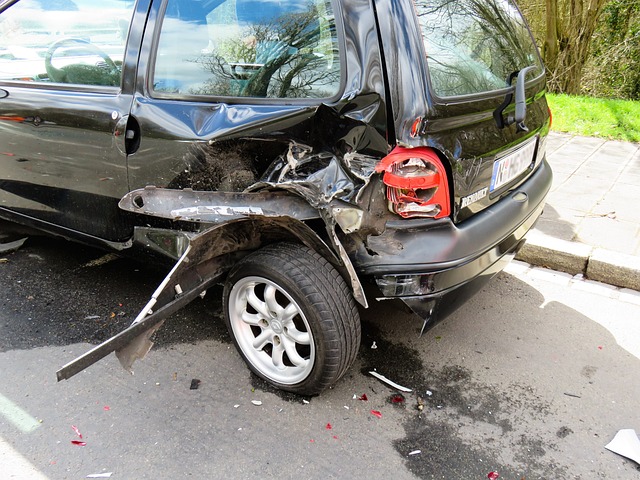
Rideshare services face significant safety challenges, particularly regarding passenger well-being, with legal actions in New York City leading to substantial Birth Injury Settlements NYC. This emphasizes the need for better driver training, vehicle maintenance, and emergency response systems. Birth Injury Settlements NYC set precedents, forcing rideshare companies to improve safety measures. These cases are crucial for accountability, access to justice, and preventing future accidents and legal disputes. In NYC, understanding local laws regarding Birth Injury Settlements NYC is vital for building strong claims. Preventive measures like advanced algorithms are transforming the industry, aiming to reduce claims and foster a safer rideshare ecosystem.
“Rideshare Safety Litigation: Navigating Risks, Accountability, and Justice in NYC
As ridesharing services dominate urban transportation, ensuring passenger safety remains a paramount concern. This article delves into the critical role of litigation in addressing Rideshare Safety Concerns, particularly focusing on Birth Injury Settlements in New York City (NYC). We explore how legal action holds companies accountable while examining case studies and settlement trends. Additionally, we analyze key factors influencing compensation amounts and discuss preventive measures, offering insights into the future of rideshare safety in NYC.”
- Understanding Rideshare Safety Concerns
- The Role of Litigation in Ensuring Accountability
- Birth Injury Settlements: A Focus on NYC Cases
- Navigating the Legal Process for Rideshare Accidents
- Key Factors Influencing Settlement Amounts
- Preventive Measures and Future Implications
Understanding Rideshare Safety Concerns

Rideshare services have become a common mode of transportation, but they also bring unique safety concerns to the forefront. One significant issue is ensuring the well-being of passengers, especially vulnerable groups like children and the elderly. In New York City, rideshare accidents leading to injuries or birth complications have sparked legal actions, often resulting in substantial Birth Injury Settlements NYC. These cases highlight the importance of holding rideshare companies accountable for their safety protocols and driver training.
The rise in rideshare litigation underscores the need for stringent regulations and oversight. Passenger safety should be a top priority, addressing issues like driver background checks, vehicle maintenance, and emergency response systems. By understanding and addressing these concerns, rideshare companies can contribute to creating a safer environment for all users, potentially reducing the likelihood of future legal disputes.
The Role of Litigation in Ensuring Accountability

In the realm of rideshare safety, litigation plays a pivotal role in holding companies accountable for their actions or inaction. When it comes to ensuring passenger protection, particularly in high-risk scenarios such as birth injury cases in NYC, legal action is an indispensable tool. Birth Injury Settlements NYC have set precedents, forcing ride-sharing companies to enhance their safety measures and uphold higher standards of care.
Through litigation, affected individuals can seek justice and compensation for damages caused by negligent practices. These legal battles not only provide financial relief but also serve as a powerful incentive for companies to implement stricter protocols, thereby improving overall safety for riders across the city and beyond.
Birth Injury Settlements: A Focus on NYC Cases

In New York City, rideshare safety litigation often takes on a unique dimension, particularly when involving birth injury settlements. These cases are significant due to their high-stakes nature and the profound impact they can have on families affected by medical malpractice during pregnancy or childbirth. Birth injuries can result in lifelong disabilities, and the financial burden on families is immense. Settlement amounts in NYC have been substantial, reflecting both the severity of these injuries and the city’s legal landscape that prioritizes compensation for victims.
Rideshare companies, while not directly responsible for medical care, play a role in ensuring safe travel during pregnancy. As such, litigation against them often centers on negligence in passenger screening, vehicle safety standards, and response to emergency situations involving expectant mothers. The outcomes of these cases can set precedents, influencing rideshare industry practices and the broader legal understanding of duty of care in transit-related birth injuries across NYC and potentially beyond.
Navigating the Legal Process for Rideshare Accidents

When navigating the legal process for rideshare accidents, understanding the specific regulations and laws in your area is crucial. In cities like New York City, where birth injury settlements have been significant, rideshare companies face stringent liability standards. If you’ve been involved in an accident while using a rideshare service, the first step is to ensure everyone’s safety and seek medical attention if necessary. Documenting the incident by taking photos of the scene, gathering contact information from witnesses, and preserving any ride-sharing records can be invaluable during the legal process.
Hiring an experienced attorney specialized in rideshare litigation is essential. They’ll guide you through the complex web of insurance policies, liability rules, and potential compensation. In NYC, for instance, understanding local laws regarding birth injury settlements and rideshare accountability is key to building a strong case. Your lawyer will communicate with insurance companies, gather expert testimony, and negotiate on your behalf to secure fair compensation for any injuries or losses incurred.
Key Factors Influencing Settlement Amounts

When it comes to rideshare safety litigation and settlement amounts, several key factors come into play. In cases involving birth injury settlements in NYC, for instance, the severity of injuries, medical expenses, and long-term care needs significantly impact the final compensation. Extensive documentation of medical records and expert opinions are crucial to substantiating these claims.
Additionally, the conduct of both parties during litigation, including their cooperation, transparency, and adherence to legal procedures, can influence settlement amounts. Emotional distress, lost wages, and pain and suffering are also considered. In high-profile cases, such as those involving significant birth injuries in NYC, public perception and media coverage may further affect settlement terms, emphasizing the need for robust legal representation.
Preventive Measures and Future Implications

Preventive measures play a pivotal role in mitigating risks associated with rideshare services, especially in urban hubs like New York City where birth injury settlements have been a growing concern. Companies like Uber and Lyft are increasingly implementing sophisticated algorithms for driver screening, trip routing, and real-time monitoring to enhance passenger safety. These technologies aim to predict and prevent potential dangers, such as late-night routes or areas with high crime rates, by dynamically adjusting trip assignments.
Looking ahead, the implications of these safety measures could significantly reshape the rideshare industry. Improved data analytics and proactive risk management may lead to reduced claims, including birth injury settlements in NYC. As regulatory bodies and legal experts continue to navigate this evolving landscape, the focus on preventive strategies is expected to intensify, ultimately fostering a safer and more accountable rideshare ecosystem.
Rideshare safety litigation plays a pivotal role in ensuring accountability and fostering improvements in this rapidly growing industry. By examining cases like birth injury settlements in NYC, we gain insights into the legal processes and settlement factors unique to these complex accidents. Understanding these dynamics is essential for both victims seeking justice and rideshare companies striving to enhance safety measures. Looking ahead, preventive measures inspired by litigation can lead to a safer and more accountable future for rideshare travel, particularly in light of the increasing number of passengers and drivers on our roads.